
Women's Heart Health: What Every Woman Should Know

Hello and welcome! If you’re here, chances are you care about your heart health or the health of the women in your life. This week’s post dives into some vital topics around women's cardiovascular wellbeing—because heart health isn’t just a man’s game. From how menopause changes the heart’s risk profile to subtle symptoms that might get overlooked, plus practical lifestyle tips, there’s something to learn for everyone.
Menopause and the Heart: More Than Just Hot Flashes
We often hear about menopause in terms of mood swings and hot flashes, but fewer conversations address its impact on the heart. When estrogen levels drop during menopause, the arteries lose some of their natural protection. This shift can lead to stiffer arteries and higher risk for heart disease. That might sound daunting, but understanding it gives you power—to seek regular checkups and adopt heart-friendly habits early on.
Pregnancy’s Lasting Legacy on Heart Health
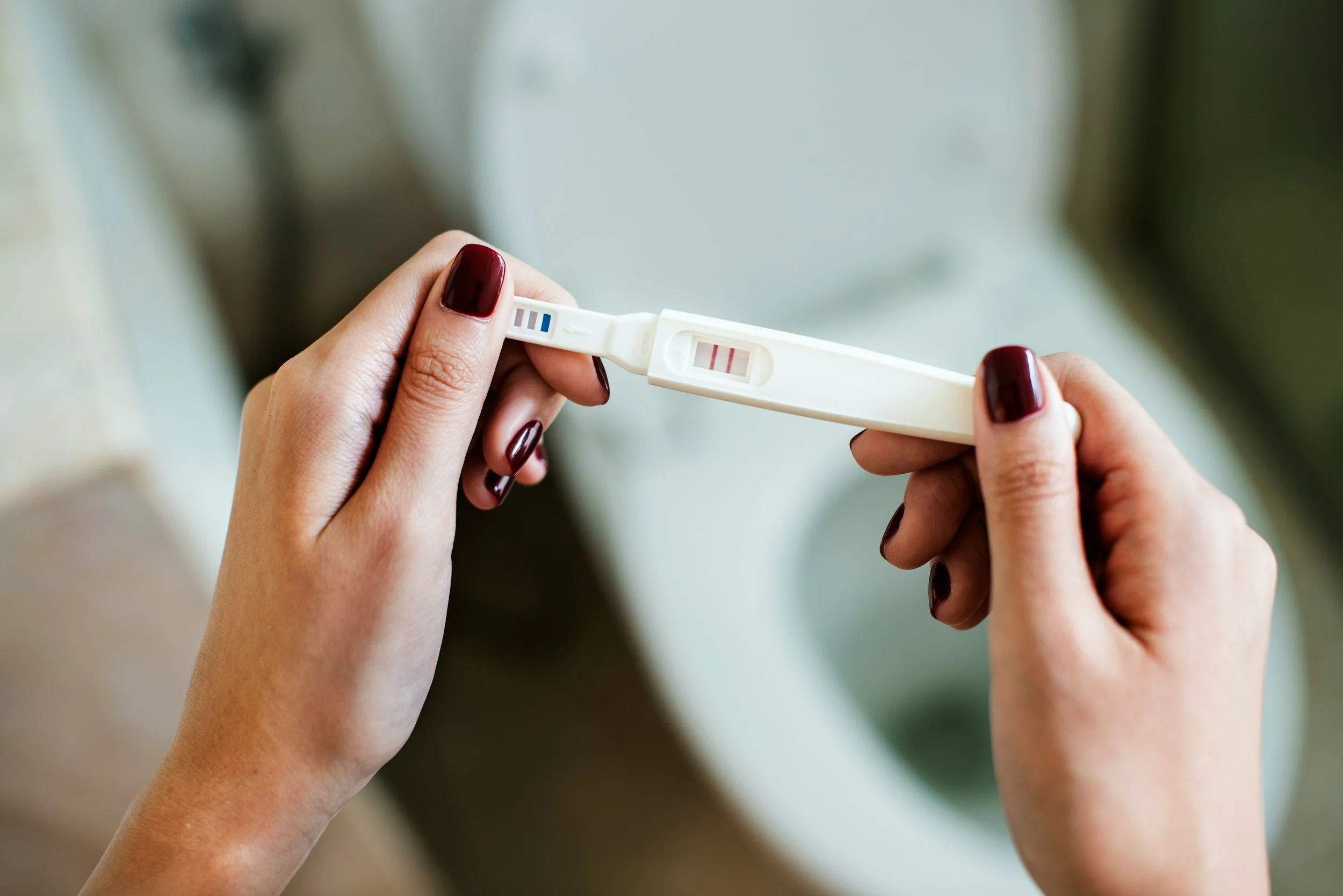
Did you know that pregnancy complications like gestational diabetes or preeclampsia can raise a woman’s cardiovascular risk decades later? It’s not just about the pregnancy itself; your body can carry signals of stress or imbalance forward. If you’ve experienced these complications, it’s especially important to stay on top of heart health screenings throughout your life.
When Heart Attacks Don’t Look Like Heart Attacks
One of the trickiest parts of women’s heart health is recognizing symptoms. Unlike the classic “crushing chest pain” we often picture, women sometimes experience subtler—and easily missed—signs. Dizziness, nausea, unusual fatigue, or discomfort in the neck or jaw can all be red flags. If anything feels off, don’t ignore it—getting checked could save your life.
Small Changes, Big Impact: Living with Your Heart in Mind
Alright, let’s lighten things up a bit. Heart-health doesn’t mean living in restriction. Swapping processed foods for a Mediterranean-style eating plan filled with fresh veggies, whole grains, nuts, and olive oil is a delicious place to start. It’s not about punishing food choices, but savoring better ones.
Then there’s the magic number: 150 minutes of moderate exercise a week. Sounds like a lot? Break it down—20 minutes a day, or 30 minutes five times a week. Walking, dancing, gardening, or any activity that gets your heart pumping counts.
The Often Overlooked Heart Helpers: Sleep and Stress
Stress wears down the heart quietly but relentlessly. Couple that with poor sleep—less than seven hours regularly—and you have a recipe for increased risk. Aim for those 7-9 hours whenever possible, and find stress busters that work for you, whether it’s meditation, yoga, or just a soothing walk under the sky.

Know Your Numbers: Turning Data Into Action
Blood pressure, cholesterol, BMI, blood sugar—all these health markers aren’t just numbers your doctor throws at you. They’re clues to how your heart is doing. Learning what’s normal and what needs attention helps you take control and make informed choices that align with your health goals.
The Heart and Mind Connection
Lastly, remember your mental health plays a starring role in heart health. Anxiety and depression aren’t just emotional—they have physical effects that increase heart disease risk. Taking care of your mind is fundamentally tied to taking care of your heart.
Thanks for joining me on this journey through some of the key factors in women’s heart health. Knowledge is empowering, and I hope this post gives you a fresh perspective on caring for the most vital muscle in your body. Stay tuned next week for tips on heart-friendly recipes that don’t skimp on flavor or fun. Until then, take a deep breath and give your heart a little love.